A Cabinet of Curiosities for Dark Academia Homes
Original artwork and print-on-demand decor steeped in Celtic myth, apothecary lore, and romantic gothic symbolism—styled like a library at midnight.
Read the Archive
Myth, florals, and symbolism—annotated like field notes.
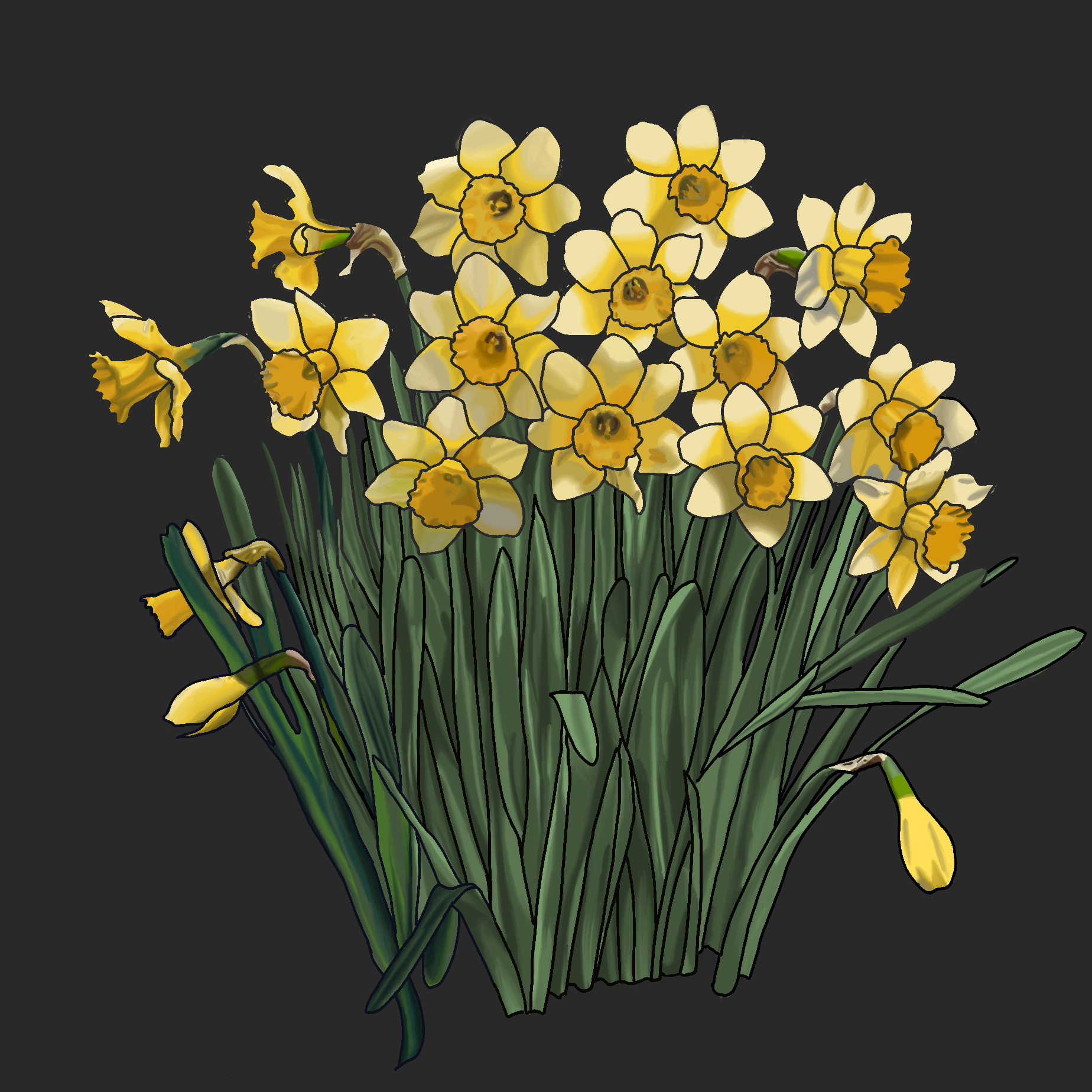
In the mythology of the ancient world, the daffodil did not grow in sunny fields. It grew at the border of the underworld, in the asphodel meadows where the ordinary dead wandered — those souls who had lived neither greatly nor terribly enough to earn the Elysian Fields or Tartarus. The asphodel was the flower of in-between. The daffodil is its cousin, and it remembers where it came from.
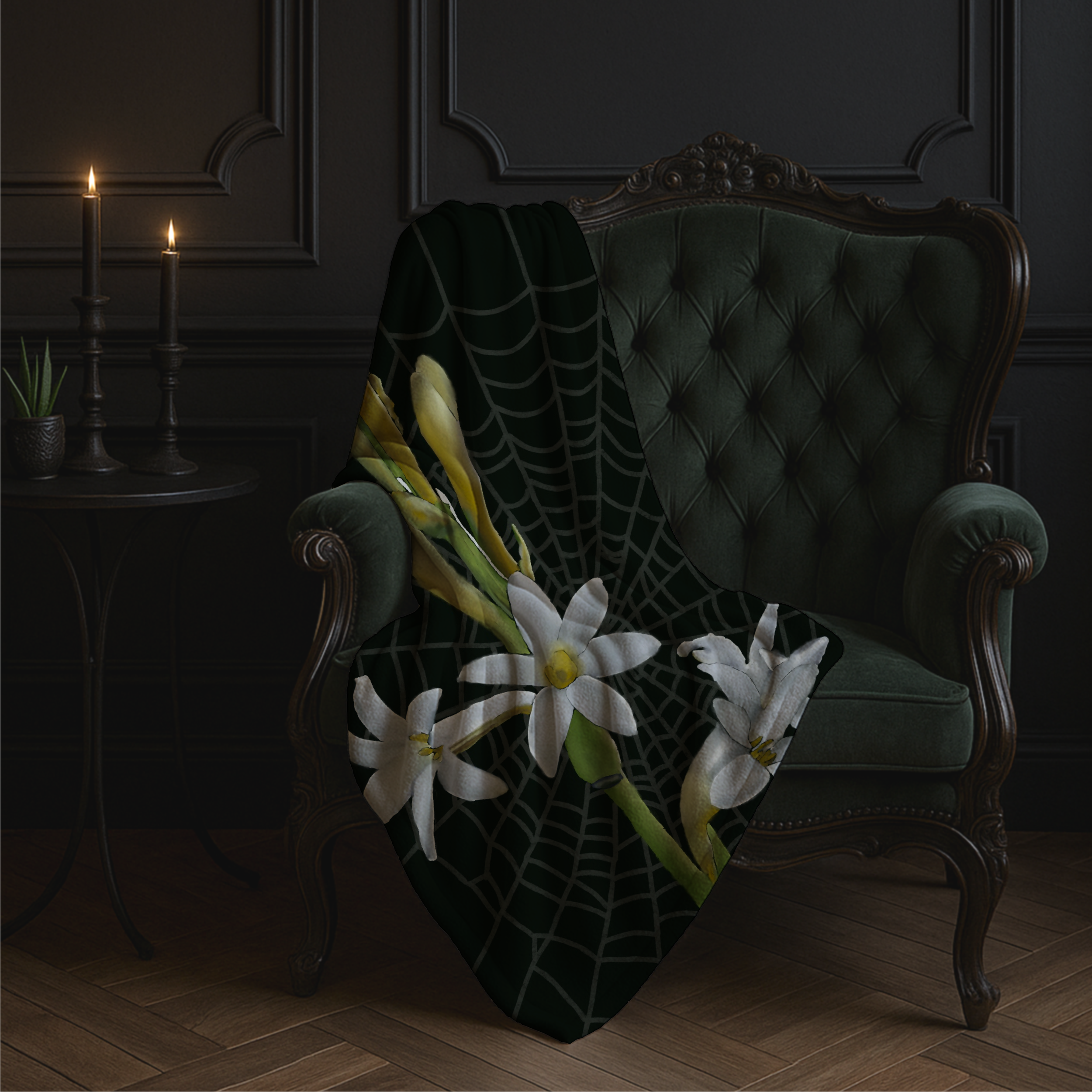
Tuberose was the flower the Victorians chose for their dead. Not because it was grim — quite the opposite. It was lush, intoxicating, almost excessive in its sweetness, and it bloomed at night. They lined their funeral parlors with it. They wore it to wakes. And if you happened to have a tuberose plant near your window, you brought it indoors before dark, because the scent it released in the night air was considered an omen of death
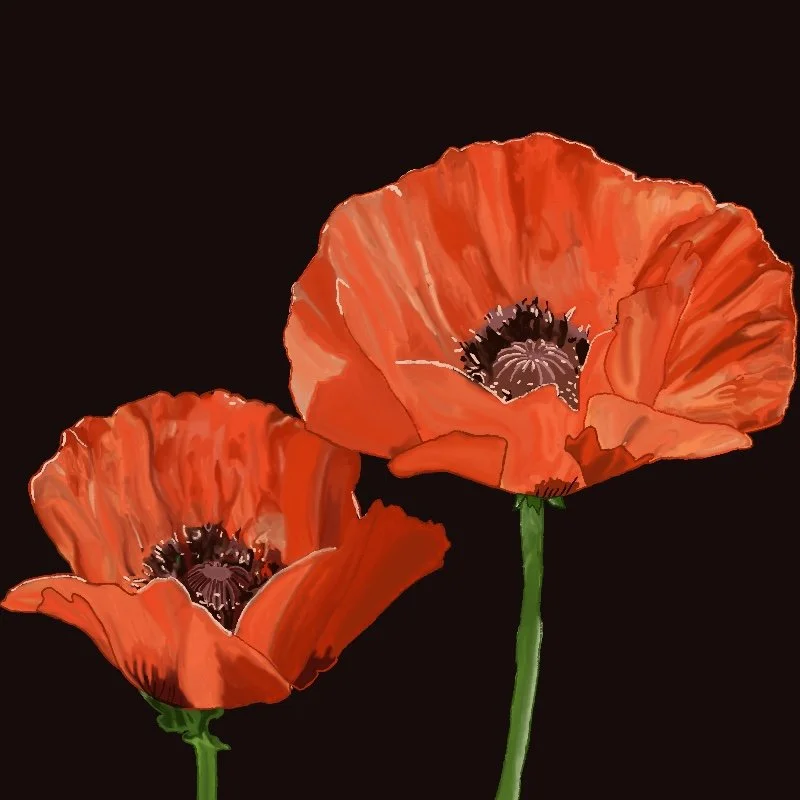
The poppy does not bloom in innocence. Long before it was pressed into lapels on gray November mornings, it was the flower of Morpheus — god of dreams — and the signature mark of the underworld's border crossings. It is a flower that lives at the threshold. And thresholds, as any student of folklore knows, are the most dangerous places to linger.
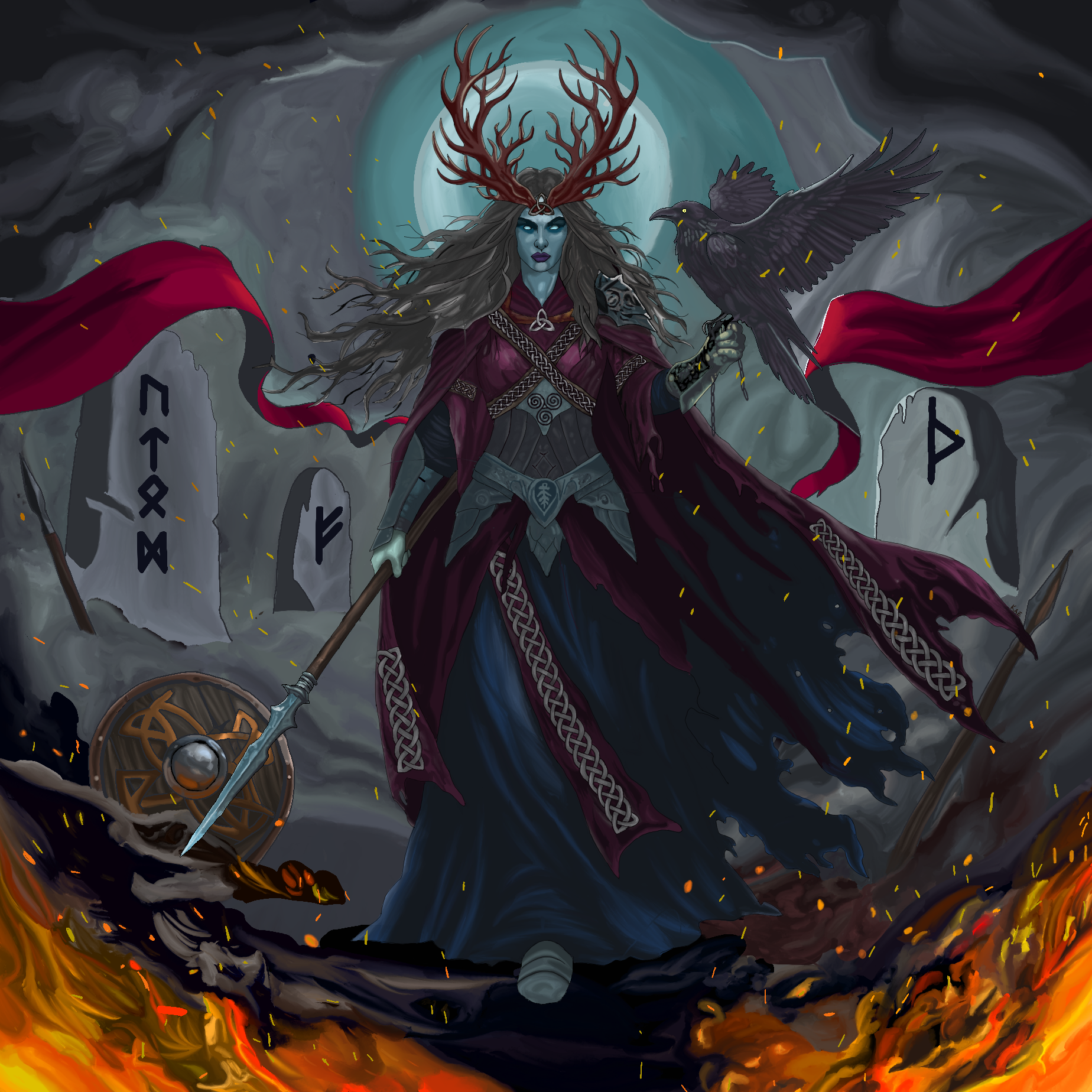
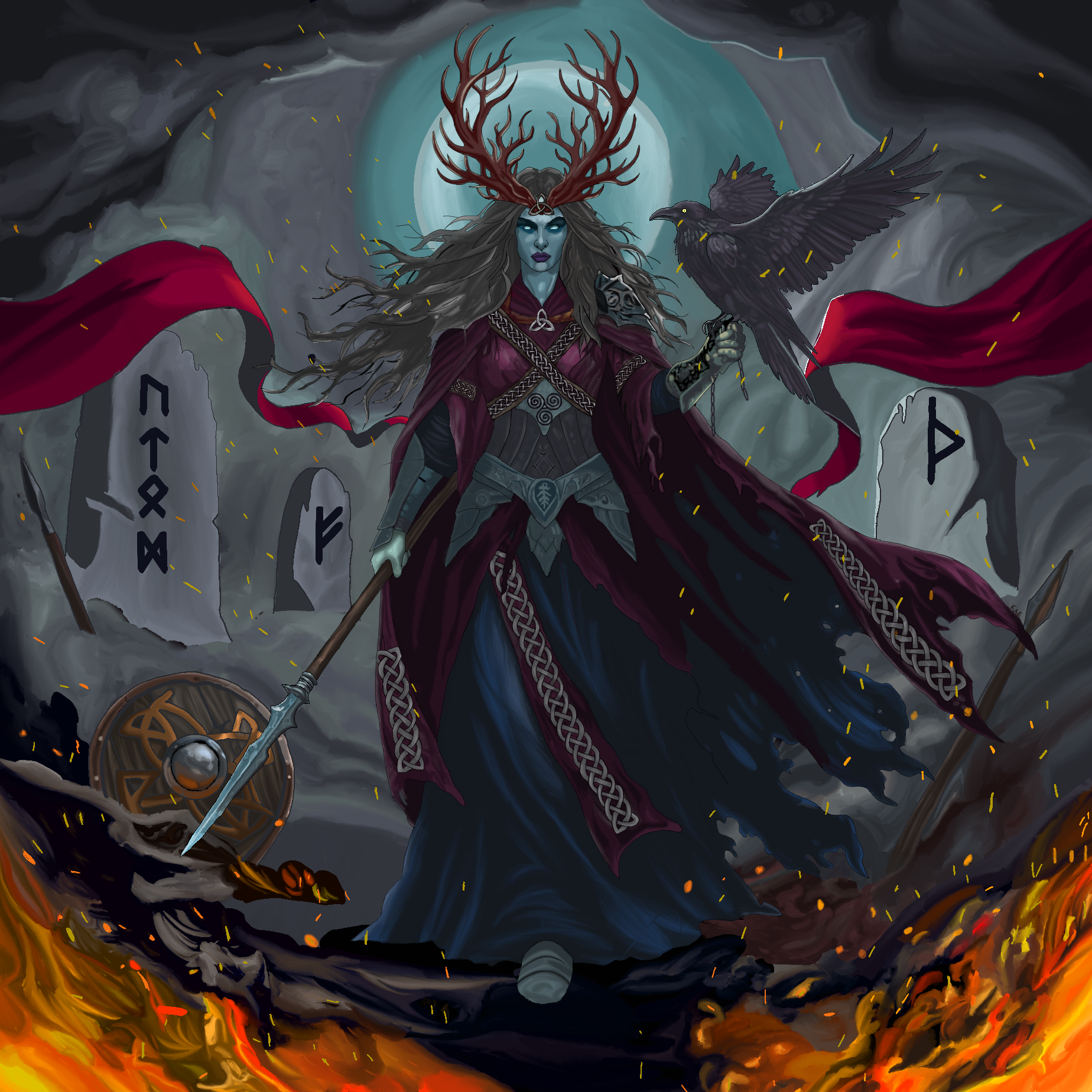
She is the crow on the battlefield. She is the hag at the crossroads. Across the Norse fjords, the Greek crossroads, the cremation grounds of South Asia, and the Scottish highlands, the same figure returns — death-touched, sovereign, refusing to be made comfortable. A comparative mythology guide to the Morrigan and her kin._
There are goddesses who comfort, and there are goddesses who clarify. The Morrigan belongs entirely to the second kind. She does not offer solace — she offers truth. This Mythology Classroom essay explores the Irish Phantom Queen in full: her triple aspects, her crow symbolism, her devastating encounter with Cú Chulainn, and why she remains one of the most powerful figures in Celtic mythology.
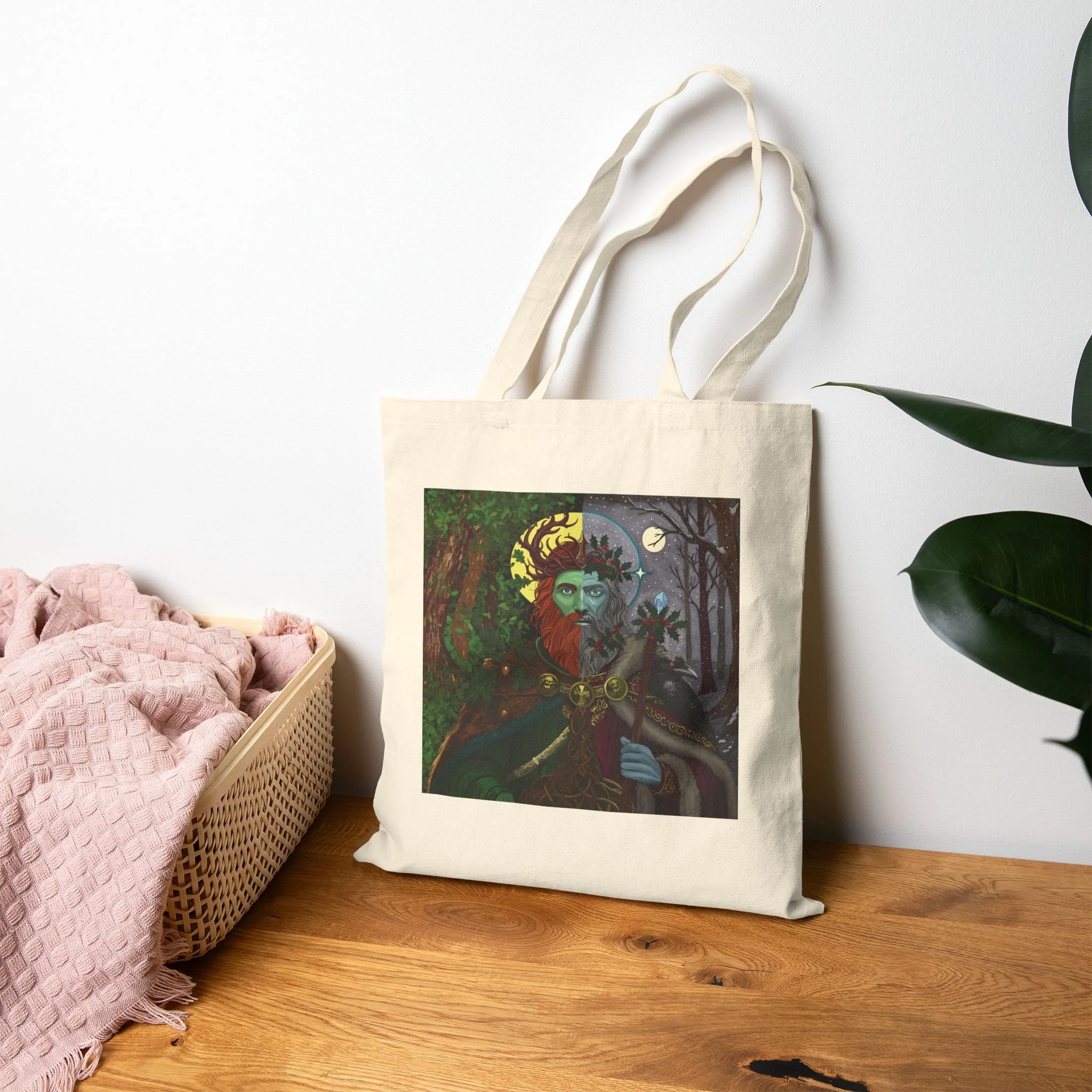
A practical styling guide for the Holly King and Oak King—dark academia palettes, textures, and room-by-room decor ideas using holly, oak, and raven symbolism.
The Holly King and the Oak King aren’t good and evil—they’re succession. A scholarly, dark-academia guide to seasonal sovereignty, solstice symbolism, and the long middle between.
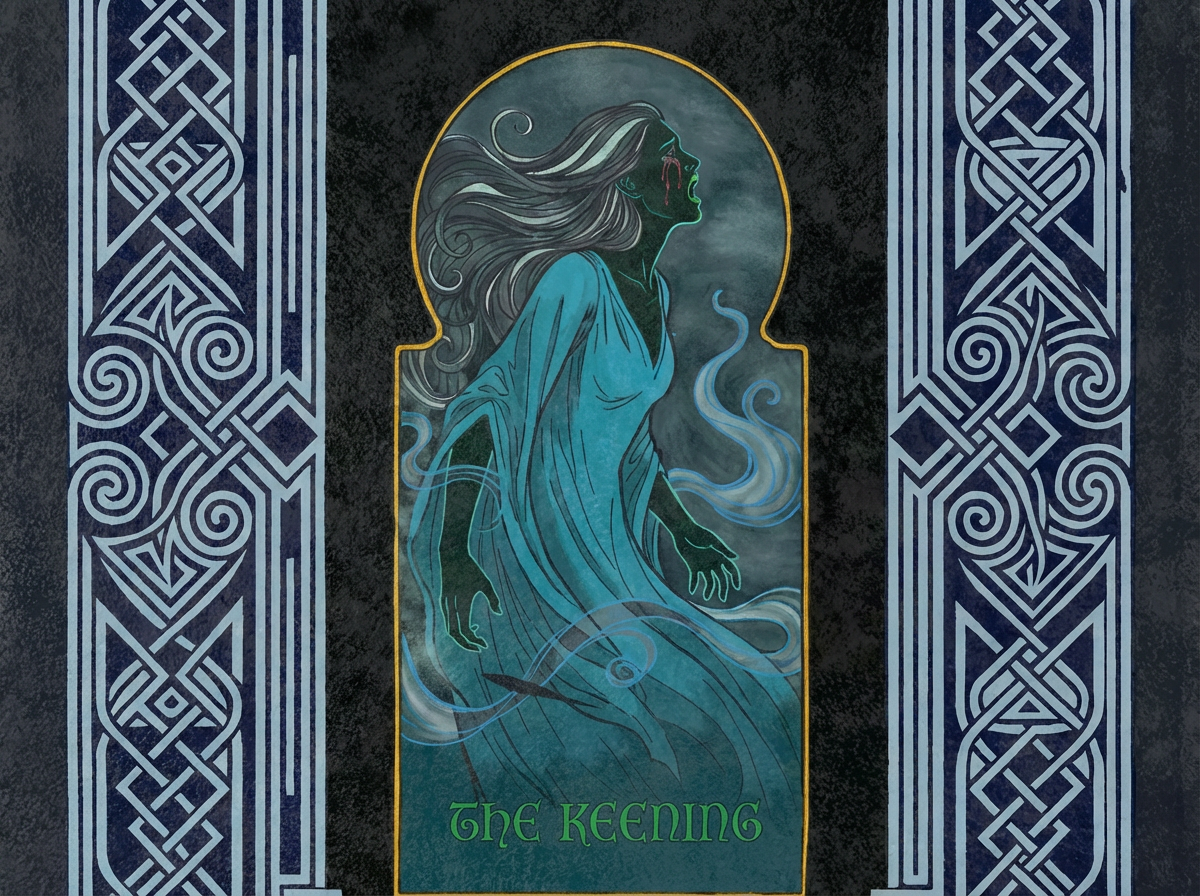
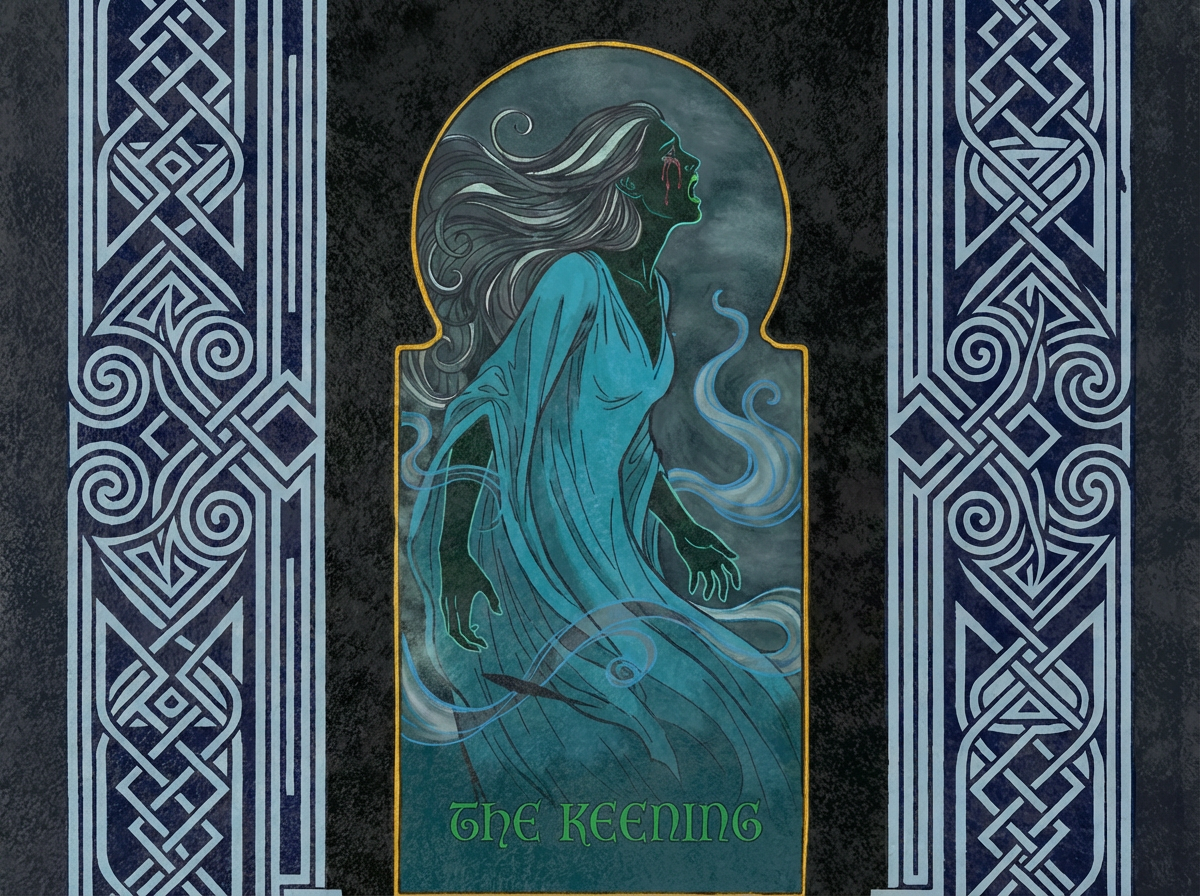
Part II explores why the banshee still resonates: keening as ritual lament, grief made audible, and the strange comfort of warnings. A study in thresholds, witness, and the voice folklore refuses to silence.
The banshee isn’t simply a monster—she’s a signal at the edge of the household. In this Mythology Classroom entry, we trace her origins, her symbols, and the sound most associated with her: keening, a ritual lament where grief becomes communal and audible.
Essays, field notes, and folklore lectures for the dark-academia minded—annotating Celtic myth, poison florals, and apothecary symbolism behind the work.
The aster blooms in September and October, when the rest of the garden is retreating. It is a flower that chooses the dying season deliberately — a small, many-petaled star in shades of violet and deep purple and the bruised blue of twilight, opening itself to a sky that is already preparing to close. The ancients believed it grew from stardust. They may not have been wrong.